
A beautiful Mosasaurus tooth for sale, a saur that inhabited the seas during the Late Cretaceous (71.3–65.4 million years ago). Read more.
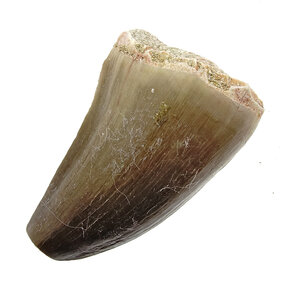
A beautiful tooth of the Mosasaurus, a saurian that populated the seas in the late Cretaceous (71.3-65.4 million years a...
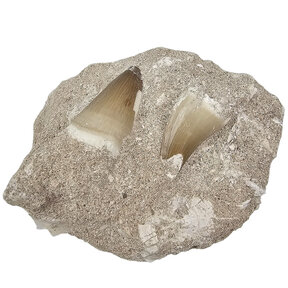
A beautiful tooth of the Mosasaurus, a saurian that inhabited the seas in the late Cretaceous (71.3-65.4 million years a...
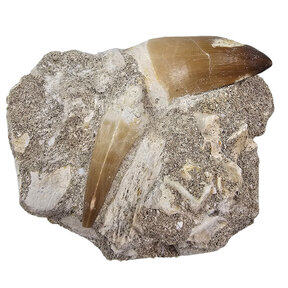
A beautiful tooth of the Mosasaurus, a saurian that inhabited the seas in the late Cretaceous (71.3-65.4 million years a...
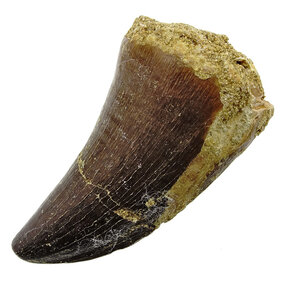
A beautiful tooth of the Mosasaurus, a saurian that populated the seas in the late Cretaceous (71.3-65.4 million years a...
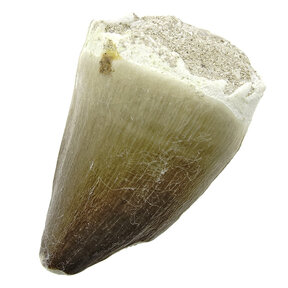
A beautiful tooth of the Mosasaurus, a saurian that populated the seas in the late Cretaceous (71.3-65.4 million years a...
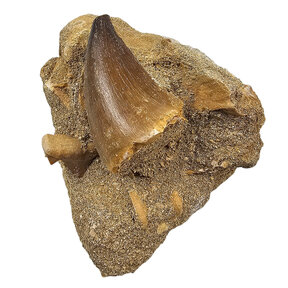
A beautiful tooth of the Mosasaurus, a saurian that inhabited the seas in the late Cretaceous (71.3-65.4 million years a...
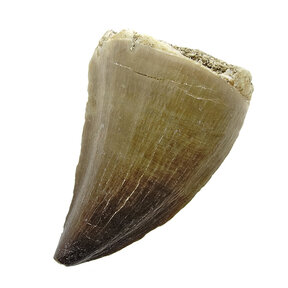
A beautiful tooth of the Mosasaurus, a saurian that populated the seas in the late Cretaceous (71.3-65.4 million years a...
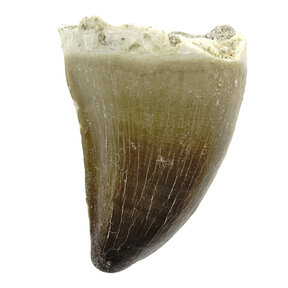
A beautiful tooth of the Mosasaurus, a saurian that populated the seas in the late Cretaceous (71.3-65.4 million years a...
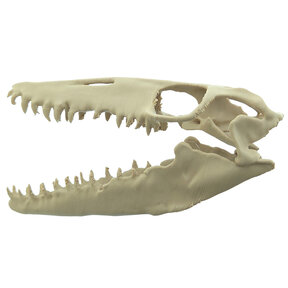
3D print of a Mosasaurus skull of approx. 10 cm. A fun and educational model that pairs well with a real fossil Mosasaur...
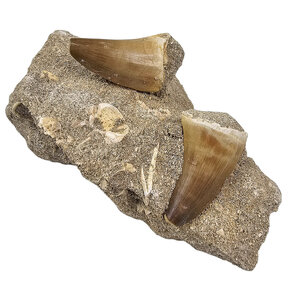
A beautiful tooth of the Mosasaurus, a saurian that inhabited the seas in the late Cretaceous (71.3-65.4 million years a...
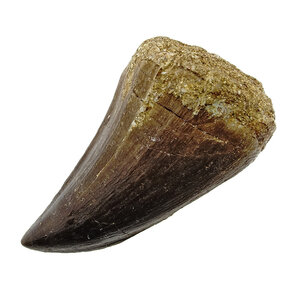
A beautiful tooth of the Mosasaurus, a saurian that populated the seas in the late Cretaceous (71.3-65.4 million years a...
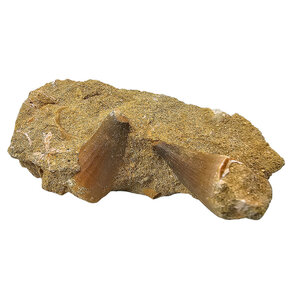
A beautiful tooth of the Mosasaurus, a saurian that inhabited the seas in the late Cretaceous (71.3-65.4 million years a...
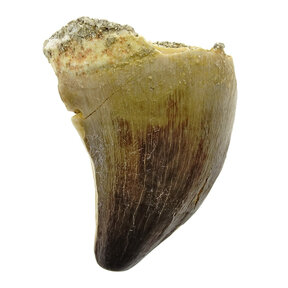
A beautiful tooth of the Mosasaurus, a saurian that populated the seas in the late Cretaceous (71.3-65.4 million years a...
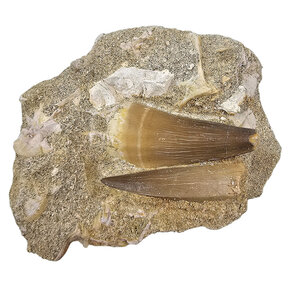
A beautiful tooth of the Mosasaurus, a saurian that inhabited the seas in the late Cretaceous (71.3-65.4 million years a...
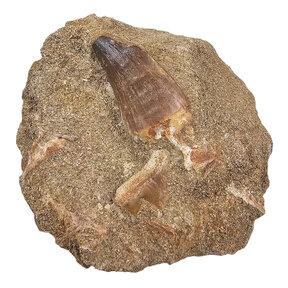
A beautiful tooth of the Mosasaurus, a saurian that inhabited the seas in the late Cretaceous (71.3-65.4 million years a...
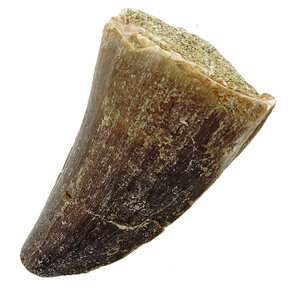
A beautiful tooth of the Mosasaurus, a saurian that populated the seas in the late Cretaceous (71.3-65.4 million years a...
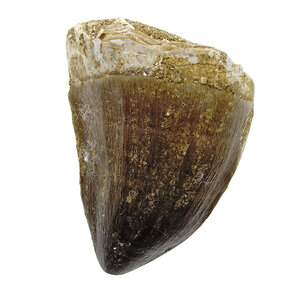
A beautiful tooth of the Mosasaurus, a saurian that populated the seas in the late Cretaceous (71.3-65.4 million years a...
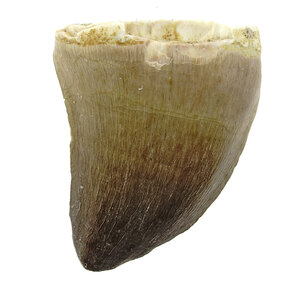
A beautiful tooth of the Mosasaurus, a saurian that populated the seas in the late Cretaceous (71.3-65.4 million years a...
Marine reptile
The Mosasaurus, often referred to as the "Maas reptile", is an extinct genus of marine reptiles belonging to the Mosasauridae, a group of extinct, large marine lizards. They lived during the Late Cretaceous, approximately 70 to 66 million years ago.
Characteristics and Living Environment
Mosasauruses were adapted to a fully aquatic lifestyle. They had an elongated body, short limbs that had evolved into fins, and a long, powerful tail. Their body structure suggests that they were powerful swimmers capable of surviving in both surface waters and deeper seas. They had a large head with powerful jaws and sharp teeth, indicating a diet of fish and other marine animals.
Discovery and Naming
The name "Mosasaurus" means "Maas reptile", referring to the Meuse River where the first fossils of this animal were discovered near Maastricht in the late 18th century. The discovery of the Mosasaurus was of great importance for the development of paleontology as a science. It was one of the first extensively studied fossils and contributed to the understanding of the nature and existence of extinct species.
Types and Classification
Within the genus Mosasaurus, various species have been described. The best-known and most studied species is Mosasaurus hoffmannii. Other species include M. lemonnieri and M. beaugei. The classification of these species and their relationship to other mosasaurids is the subject of ongoing research and debate among paleontologists.
Adaptations for an Aquatic Lifestyle
The Mosasaurus had several adaptations that helped it survive in its aquatic environment. Its eyes were large and forward-facing, giving it binocular vision, essential for estimating distances during hunting. Its nostrils were shifted backward, closer to its eyes, allowing it to breathe without having to lift its entire head above water. Furthermore, its limbs had evolved into paddle-like fins, enabling it to move through the water with ease and speed.
Fossil Finds and Significance for Science
The fossil remains of the Mosasaurus are of inestimable value to scientists. They offer insight into the evolution of marine reptiles and their adaptations to life in the sea. The Mosasaurus fossils have contributed to our understanding of the marine ecosystem of the Late Cretaceous. Furthermore, recent discoveries and studies have revealed new information about their behavior, diet, and reproduction, ensuring that the Mosasaurus remains a continuing subject of study and fascination within the paleontological community.
Teeth from the Kem Kem formation
The Kem-Kem Formation in Morocco is known for its rich fossil finds, including the teeth of the Mosasaurus. These teeth are a testament to the impressive hunting capabilities of this marine reptile. They are sharp, conical, and perfectly designed to grasp and hold prey. The discovery of these teeth in the Kem-Kem Formation has provided scientists with valuable insights into the diet and hunting habits of the Mosasaurus in this region. Moreover, they highlight the diversity and richness of the marine ecosystem during the Cretaceous period in what is now North Africa.
Preparation and Restoration
Fossil teeth of the Mosasaurus are not always found complete. Due to millions of years of pressure, erosion, and movement in the rock, many specimens emerge from the ground in multiple pieces. Therefore, such teeth are often carefully prepared after being found. During this process, the surrounding rock is removed, and the fossil is cleaned and stabilized.
When a tooth consists of multiple fragments, these parts are subsequently carefully reassembled and glued together. This is called restoration and is a very normal and accepted practice within the fossil world. In this way, the original shape of the tooth is preserved and the fossil can be safely stored. A restored tooth is therefore not an exception, but rather something that frequently occurs with fossil finds.
The Mosasaurus in Jurassic World
The Mosasaurus has also secured a place in popular culture, particularly through its appearance in films such as the "Jurassic World" series. In these films, the Mosasaurus is often depicted as a gigantic and terrifying sea monster, although some of these depictions may be exaggerated compared to what scientists believe about the actual animal.


